
Navigating an Arizona summer requires more than just a powerful AC; it demands a strategic barrier against 115°F ambient temperatures. For EV owners, choosing the right Tesla ceramic tint is the difference between a comfortable cabin and a heat-soaked interior that drains your battery. At Jomar Wraps, a certified 3M Pro Shop with 20+ years of experience, we specialize in high-performance solutions for the Valley’s most demanding conditions.
The Science of Heat: Why Tesla Ceramic Tint is Essential in Phoenix
Phoenix window tinting is no longer just about privacy; it is about thermal management for massive glass surface areas. Standard dyed films rely on heat absorption, which eventually radiates into the cabin after 30 minutes of exposure to the Scottsdale sun. In contrast, nano-ceramic technology utilizes non-conductive particles to reflect energy away from the vehicle.
- Infrared Energy Rejection (IRER): Unlike basic films, ceramic options target the infrared spectrum responsible for the ‘burning’ sensation on your skin.
- Total Solar Energy Rejection (TSER): This is the gold standard metric, measuring the film’s ability to block UV, visible light, and infrared heat combined.
- UV Protection: 3M ceramic films block 99.9% of harmful UV rays, preventing the premature cracking of Tesla’s vegan leather interiors.
Furthermore, the massive panoramic roofs on the Model 3 and Model Y act as giant solar collectors. Without a high-grade heat rejection film, the cabin temperature can easily exceed 150°F while parked at Sky Harbor or a local shopping center.
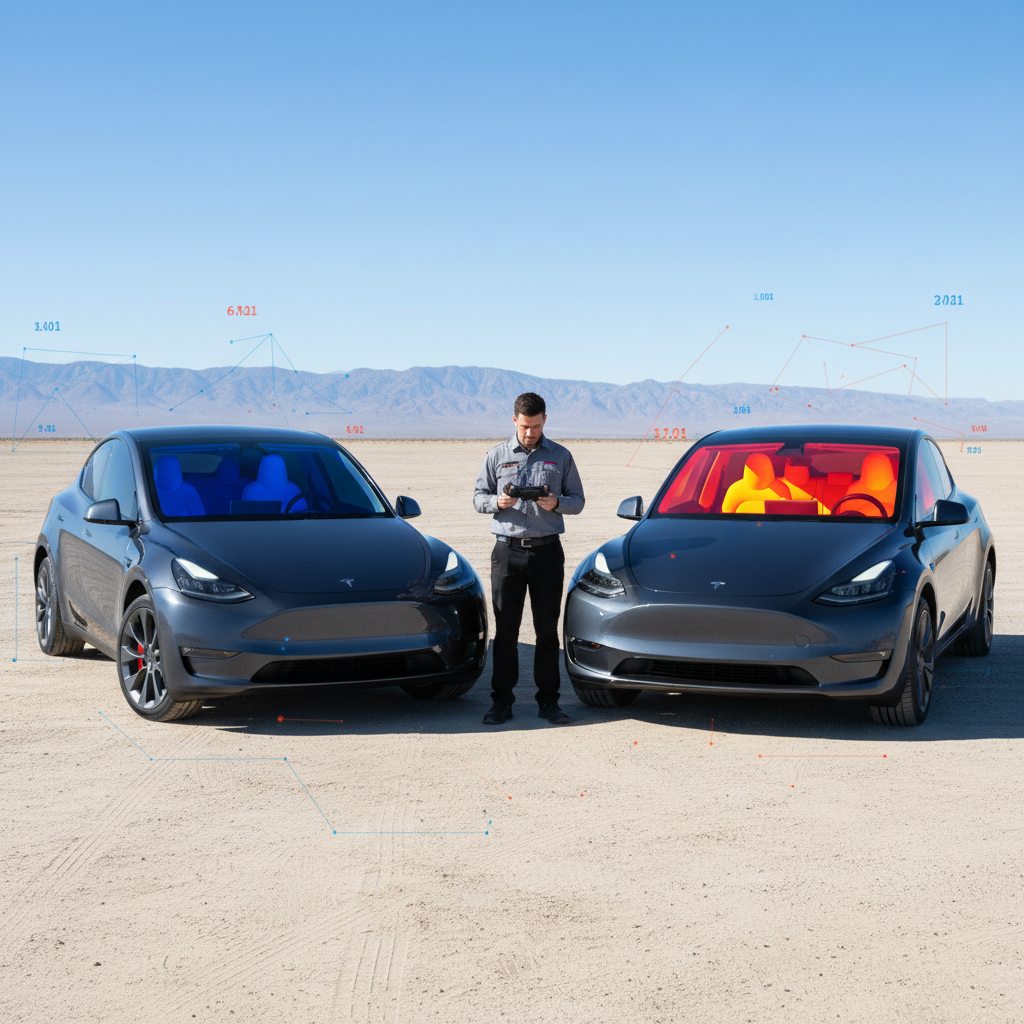
3M Crystalline vs. Standard Film: The $1M Revenue Strategy for Fleet Efficiency
For business leaders managing commercial fleets or luxury rentals, the ROI of premium film is found in energy conservation. A Series B startup utilizing a fleet of Teslas for executive transport can see significant savings in ‘Cabin Overheat Protection’ energy consumption. By reducing the load on the HVAC system, you effectively extend the vehicle’s range during peak June–August months.
- Range Extension: Lower AC usage can preserve 3-5% of battery life per charge cycle in extreme heat.
- Clarity and Visibility: 3M Crystalline offers higher visible light transmission (VLT) while outperforming darker, cheaper films in heat rejection.
- Signal Interference: Unlike metallic films, ceramic technology does not interfere with GPS, 5G, or Autopilot sensors.
Strategic investments in 3M Crystalline technology ensure that your vehicle remains cool without the need for ‘limo tint’ that obscures nighttime visibility. This is particularly vital for the steep rakes of Tesla windshields and glass roofs.
Debunking the ‘Glass Roof Cracking’ Myth with High-Performance Films
Many owners worry that applying Tesla ceramic tint to the glass roof will cause it to shatter due to heat absorption. This concern stems from low-quality dyed films that hold heat within the glass rather than reflecting it. High-performance films like 3M Ceramic IR and Crystalline are engineered to mitigate this risk through superior thermal properties.
- Heat Dissipation: Advanced ceramics allow for better thermal expansion management across the glass surface.
- Manufacturer Standards: As a 3M Preferred Installer, we follow strict application protocols that align with automotive glass safety standards.
- Expert Installation: Professional mounting prevents the ‘hot spots’ often found in DIY or budget-tier installations.
Consequently, the risk of thermal shock is virtually eliminated when using premium materials installed by certified professionals. According to 3M’s technical specifications, their films are tested globally in desert climates to ensure long-term glass integrity.
Data Comparison: TSER vs. IRER in the Arizona Desert
Sophisticated buyers understand that ‘darkness’ does not equal ‘coolness.’ In the Phoenix metro area, we prioritize IRER because it addresses the specific wavelength of heat that causes ‘scalp burn’ under the panoramic roof. Below is a comparison of how different technologies perform in 110°F+ conditions.
| Film Type | TSER (Heat Rejected) | IR Rejection | UV Protection |
|---|---|---|---|
| Standard Dyed Film | 35-42% | < 20% | 95% |
| 3M Ceramic IR Series | Up to 66% | Up to 95% | 99.9% |
| 3M Crystalline (Premium) | Up to 64%* | 97% | 99.9% |
*Note: Crystalline maintains high TSER even at 70%-90% transparency, making it ideal for windshields and roofs where views are paramount.
The ‘Invisible Shield’: Windshield Protection and Local Relevance
While the roof is a major heat source, the windshield is the largest entry point for solar energy while driving. Utilizing a 70% or 80% VLT Tesla ceramic tint on the front glass provides an ‘invisible shield’ that protects the dashboard and the driver’s hands from UV damage. This is a critical component of any comprehensive Phoenix window tinting package.
- Reduced Glare: High-end ceramic films reduce the blinding glare from the Arizona sun reflecting off desert landscapes.
- Skin Protection: For those spending 2+ hours commuting in the Valley, the UV protection is equivalent to wearing SPF 1000.
- Interior Longevity: Prevents the ‘heat soak’ that degrades electronic components and touchscreen adhesive.
Moreover, the aesthetic remains unchanged, preserving the sleek, modern look of the vehicle while providing industrial-grade thermal protection. Businesses can learn more about fleet protection through Gartner’s research on operational efficiency and asset longevity.
Why 3M Pro Shop Certification Matters for Your Tesla
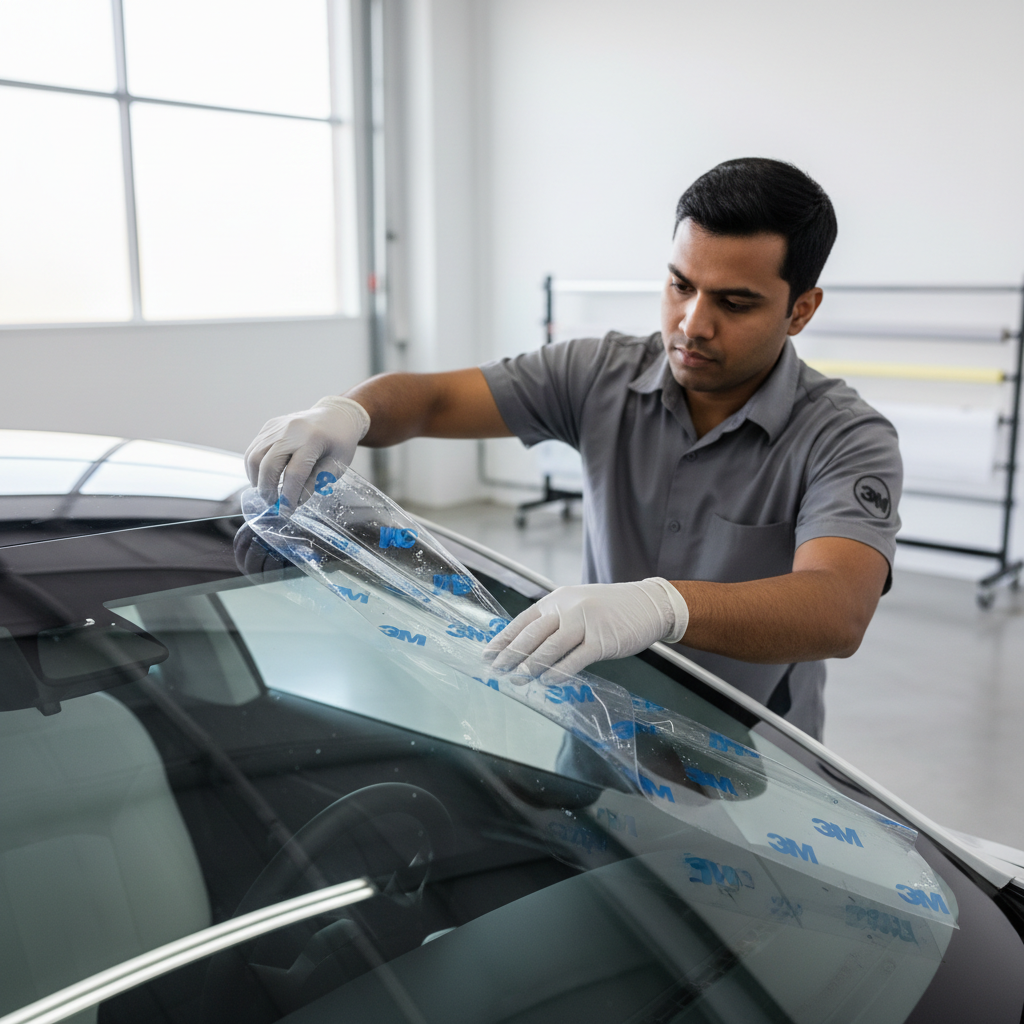
Choosing a shop for your Tesla ceramic tint in Phoenix involves more than just price shopping. As an elite 3M Pro Shop Dealer, Jomar Wraps offers a level of craftsmanship backed by decades of experience. This certification ensures that the technicians handling your vehicle are trained in the latest techniques for complex EV glass geometries.
- Lifetime Warranty: 3M provides a limited lifetime warranty against bubbling, peeling, or turning purple—common issues with cheap Arizona tint.
- Precision Cutting: We utilize digital plotters to ensure a perfect fit for every Tesla model, avoiding the risks of hand-cutting on your glass.
- Clean Room Environment: Our facility is optimized to prevent dust contamination, which is vital for the massive, clear glass surfaces of an EV.
Ultimately, the investment in premium heat rejection film pays for itself through improved comfort, protected resale value, and enhanced battery efficiency. If you are ready to upgrade your driving experience, contact Jomar Wraps at 602-243-5000 for a precision quote.
Frequently Asked Questions About Tesla Tinting
Does ceramic tint actually improve Tesla battery range?
Yes. By significantly reducing the cabin temperature, the ‘Cabin Overheat Protection’ and active air conditioning systems run less frequently. In 110°F Phoenix weather, this can save several miles of range per day, which accumulates significantly over the summer months, improving overall EV efficiency and reducing battery wear.
Is it legal to tint the Tesla windshield in Arizona?
Arizona law allows for non-reflective tint above the manufacturer’s AS-1 line. However, many owners opt for a clear ceramic film (70% or 80% VLT) across the entire windshield. This provides maximum heat rejection and UV protection without significantly altering the visible light transmission, though you should always check current local regulations.
Will tinting the glass roof void my Tesla warranty?
Generally, no. Tesla’s warranty covers defects in materials and workmanship. Tinting is an aftermarket modification. Unless the tinting process itself causes damage (such as water entering electronics or improper heat application), the vehicle warranty remains intact. Using a 3M Pro Shop ensures professional standards that minimize any risk to the vehicle.
What is the difference between TSER and IRER?
Total Solar Energy Rejection (TSER) measures the total amount of solar energy (UV + Visible + IR) rejected by the film. Infrared Energy Rejection (IRER) specifically measures the film’s ability to block infrared heat. In Phoenix, a high IRER is crucial for preventing the ‘burning’ feeling of the sun on your skin through the glass roof.